- Home
- Order photos
Order photos · packing stages · cold-chain
How raw-material orders are packed
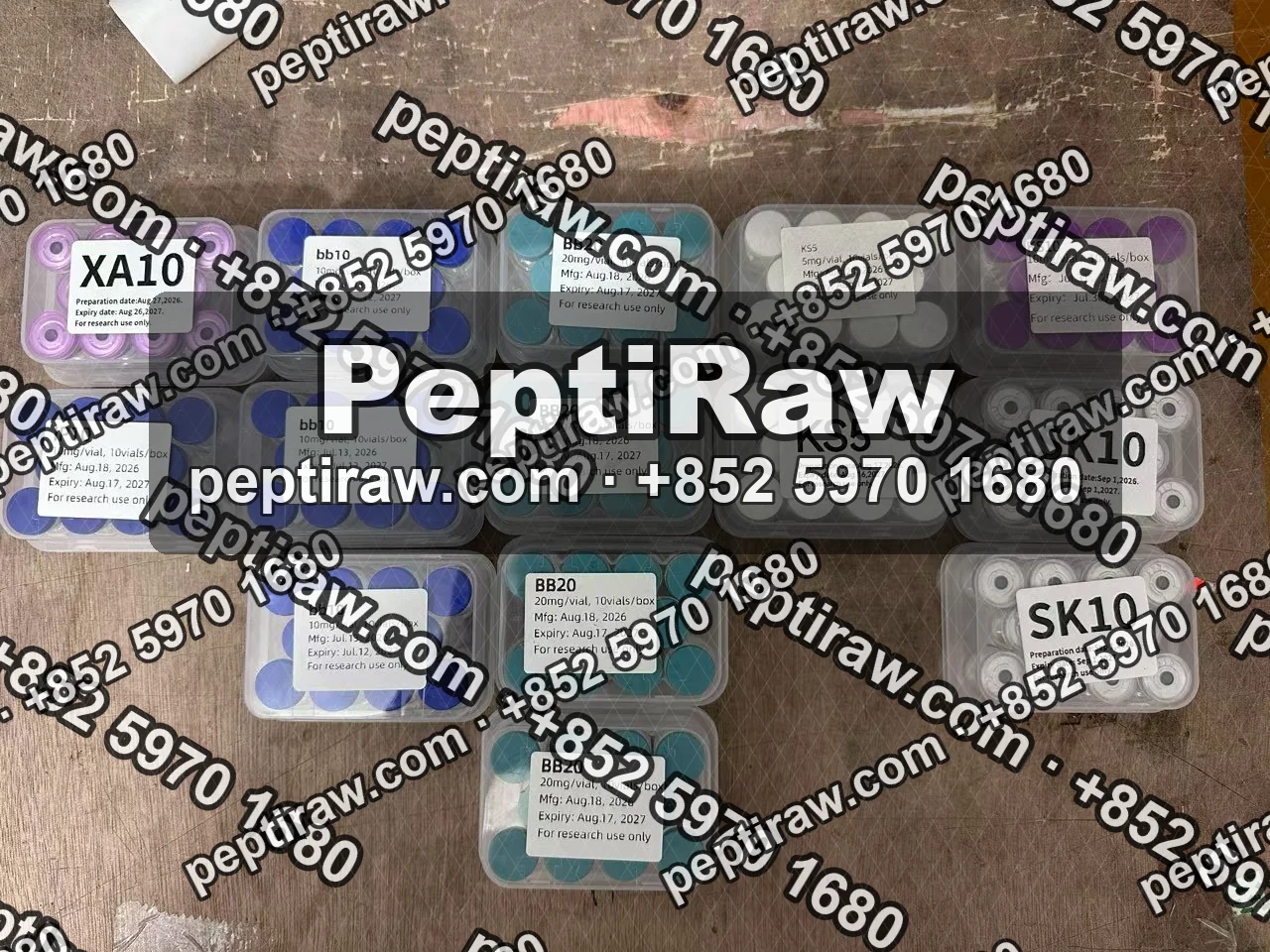
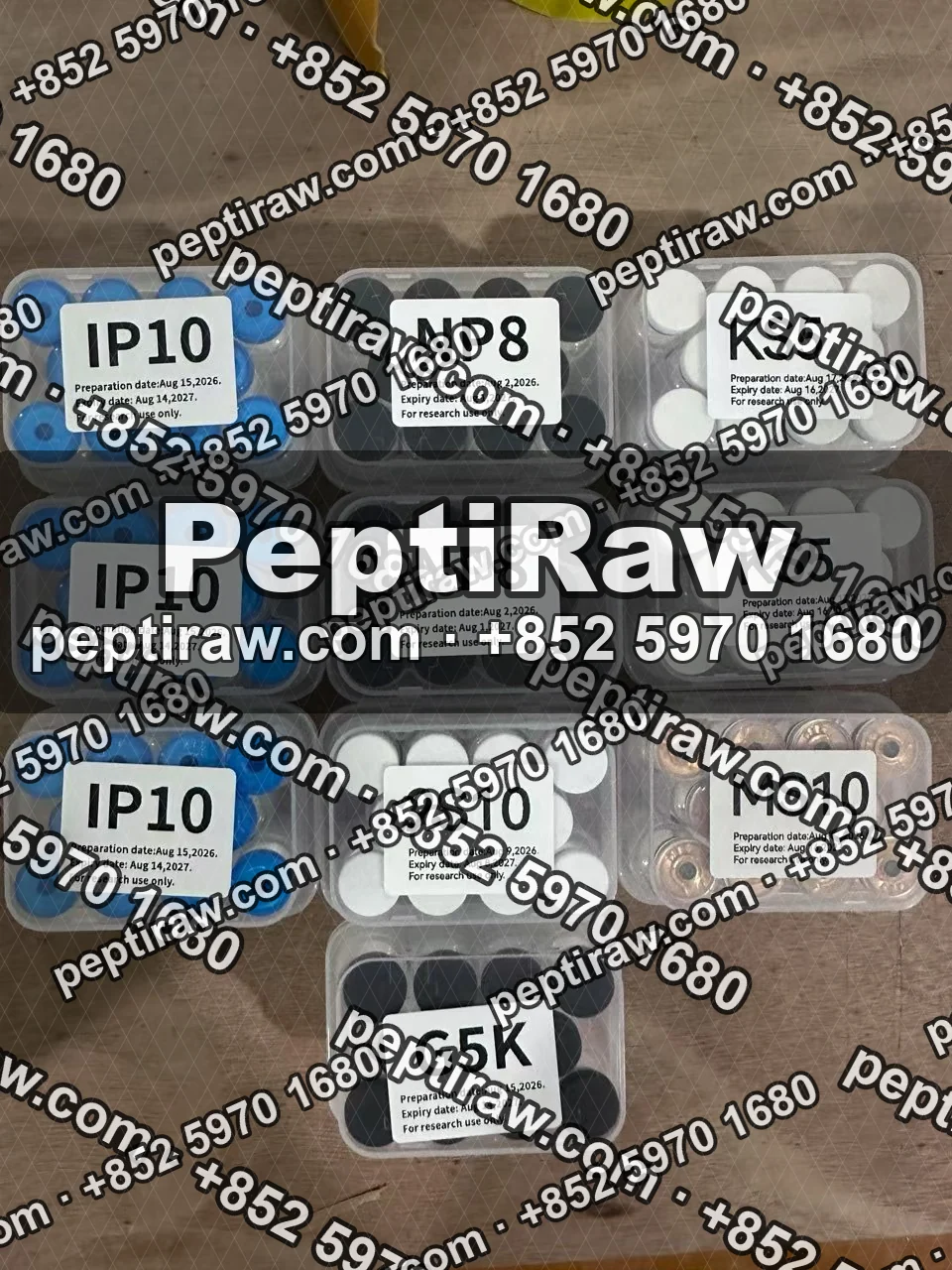
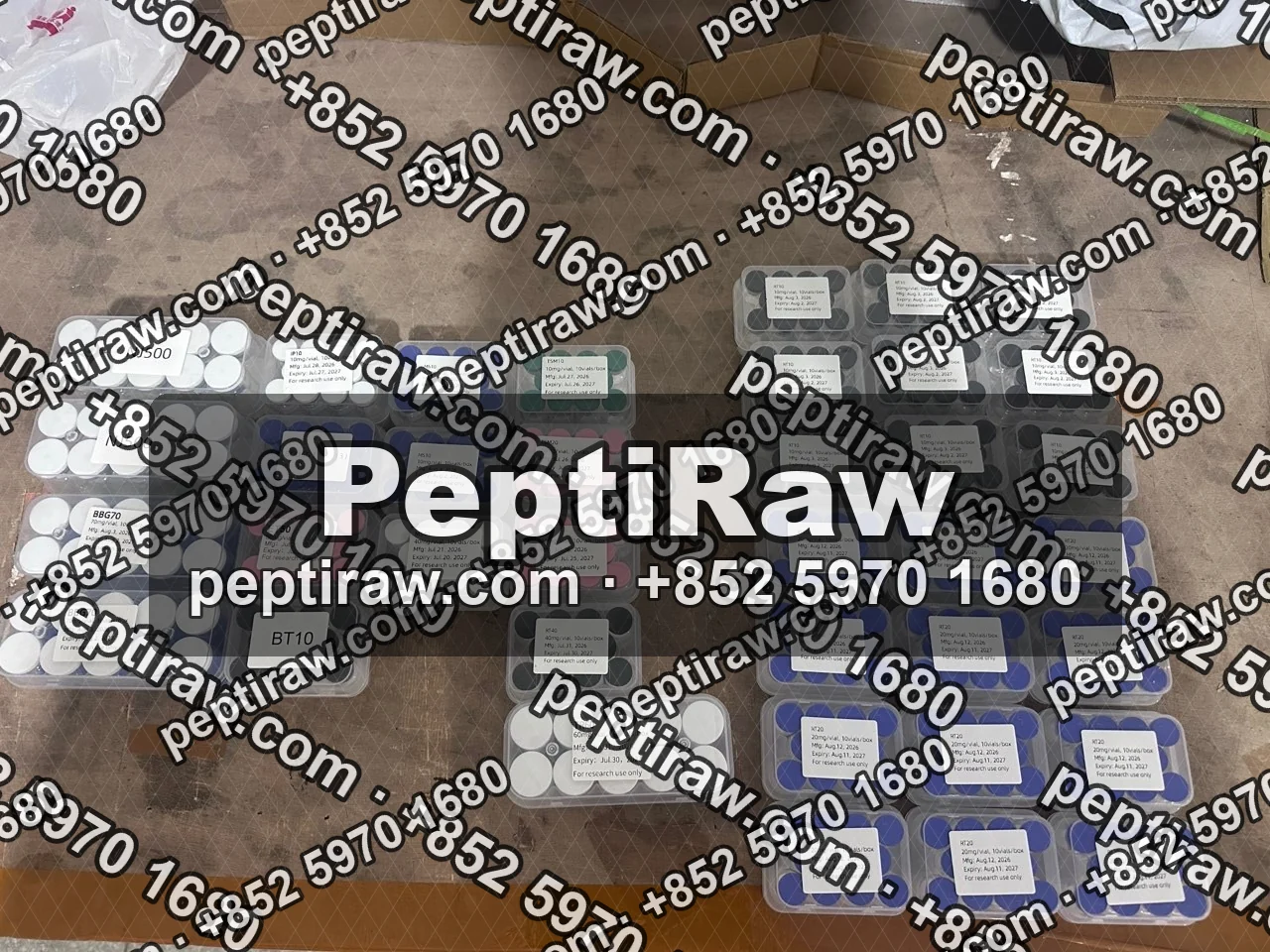
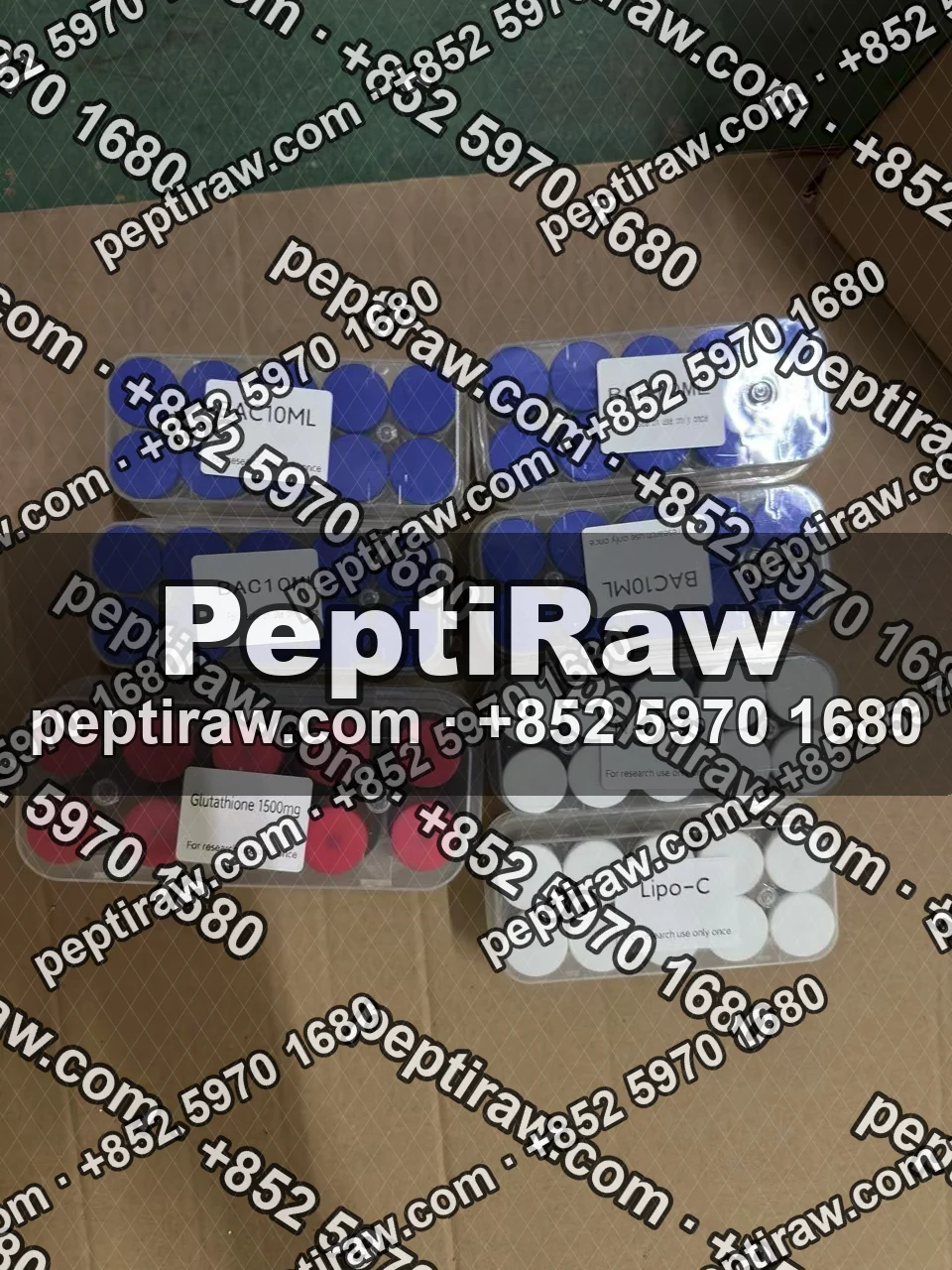
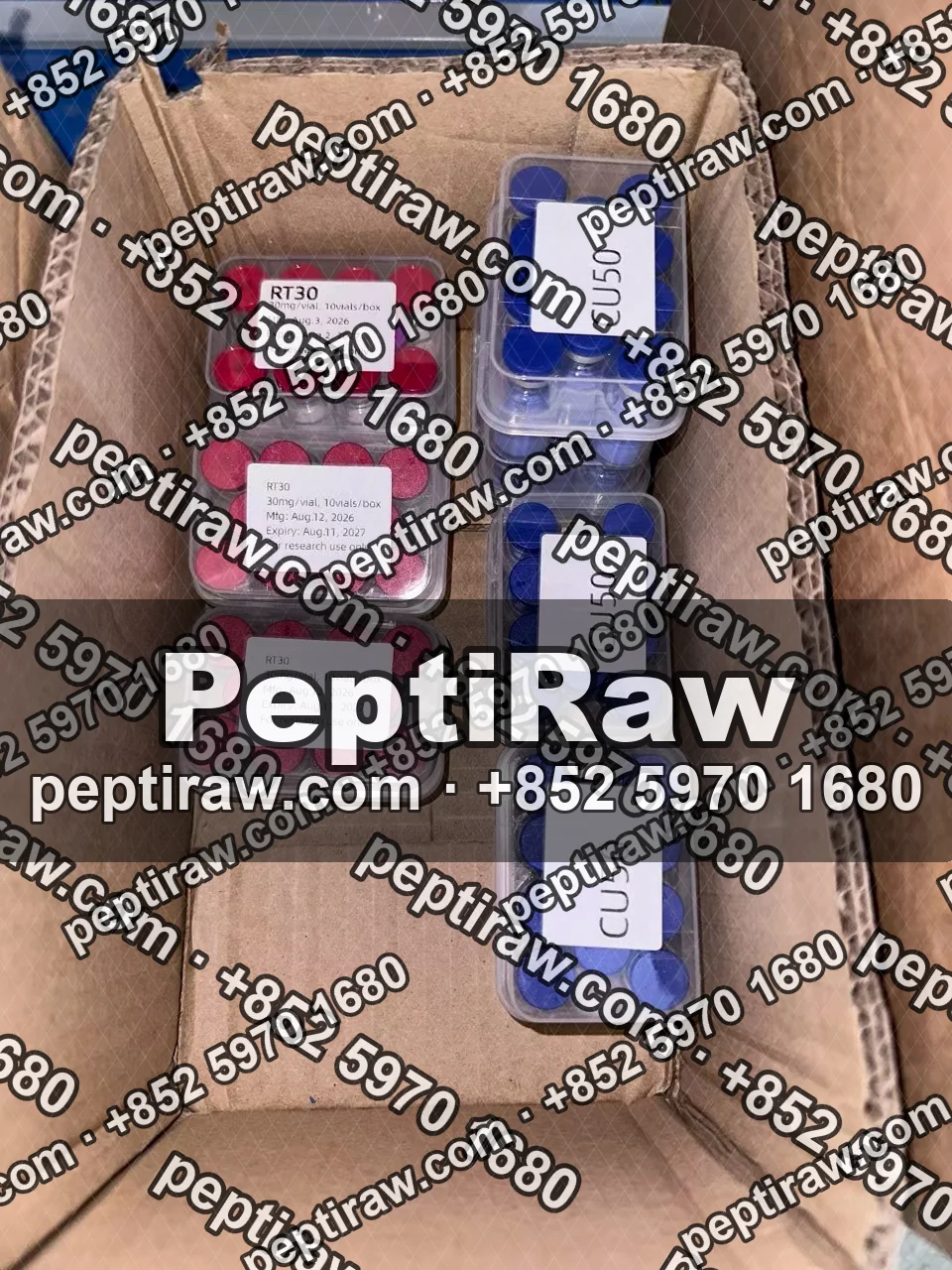
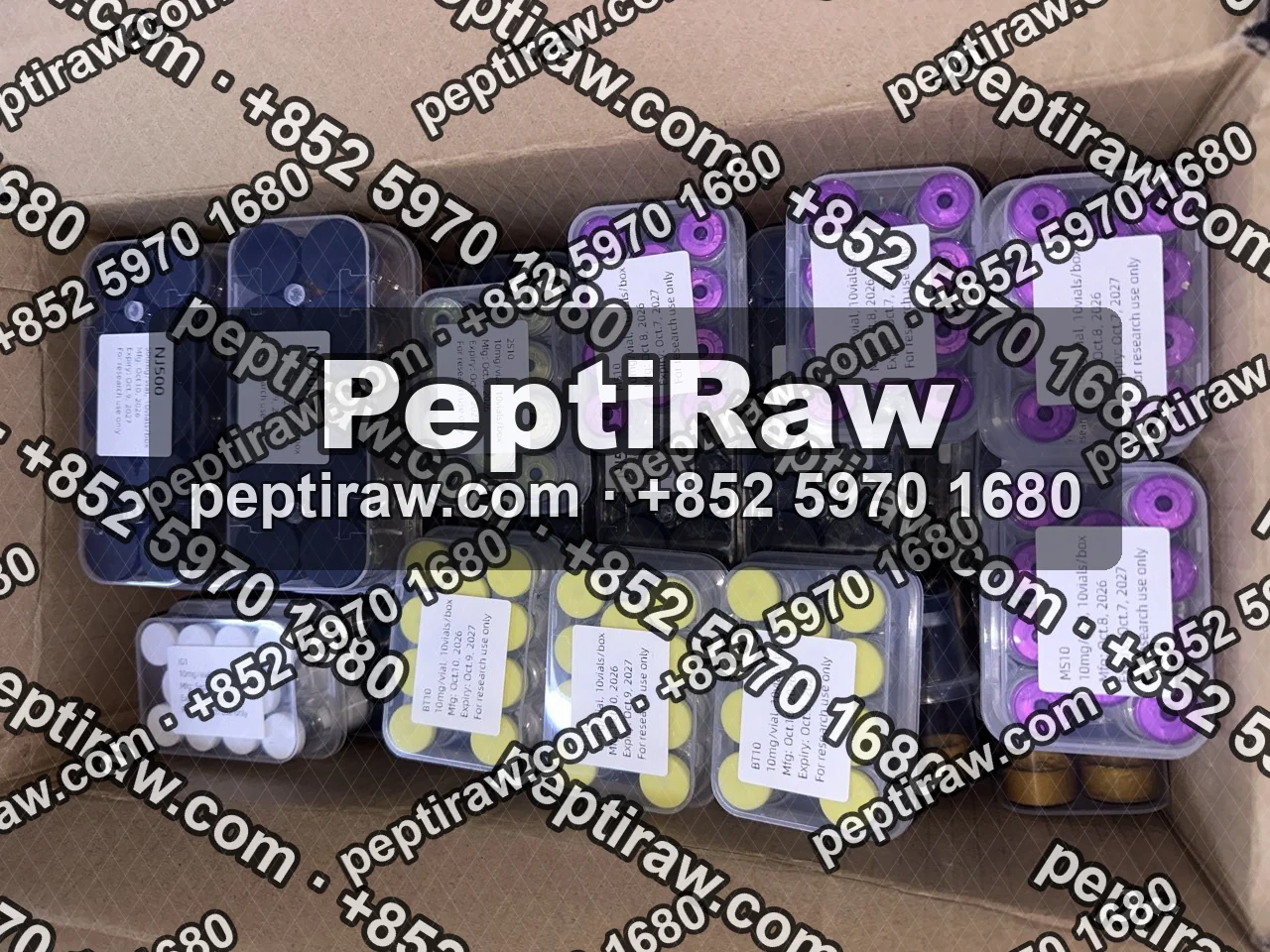
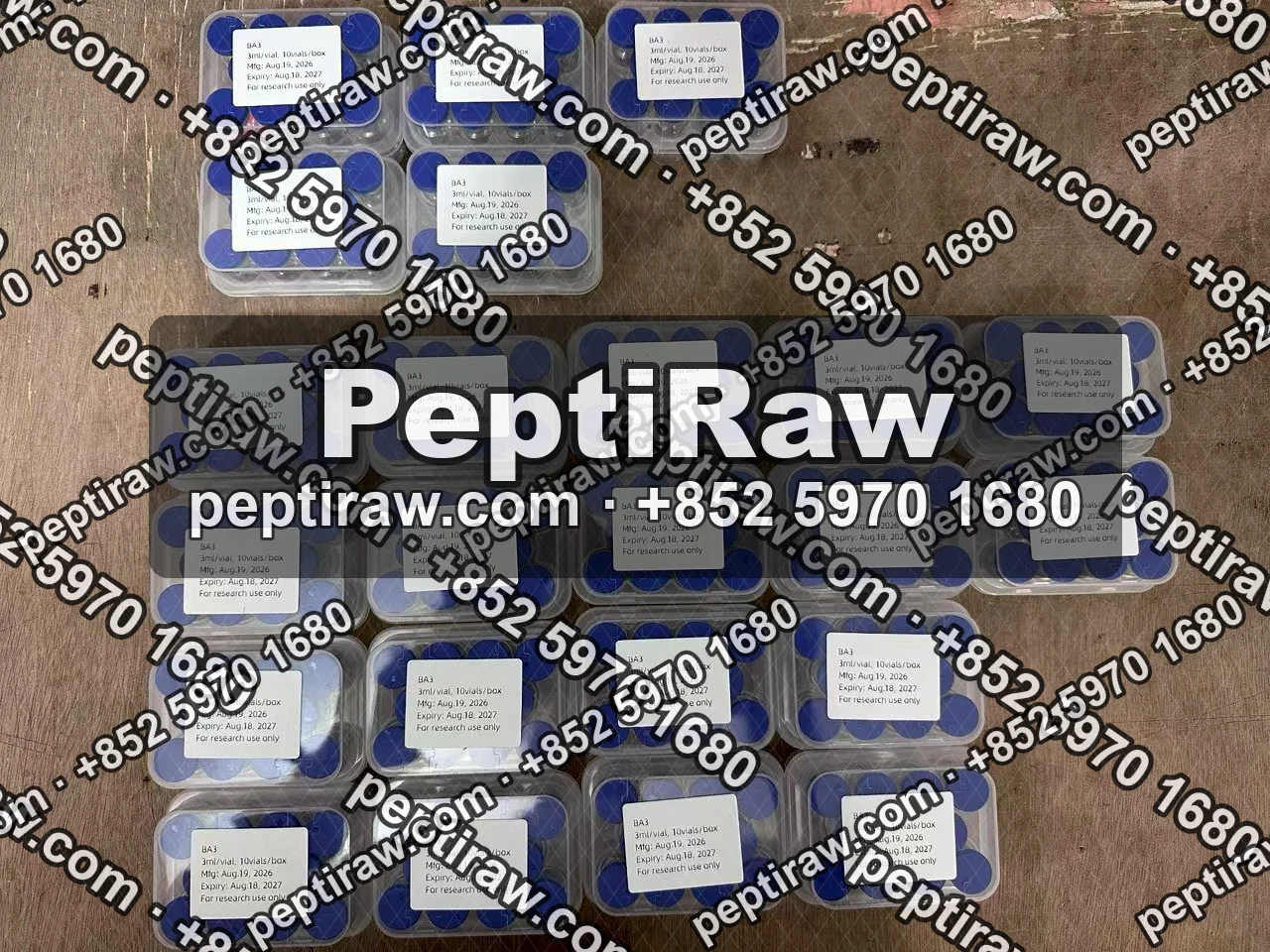
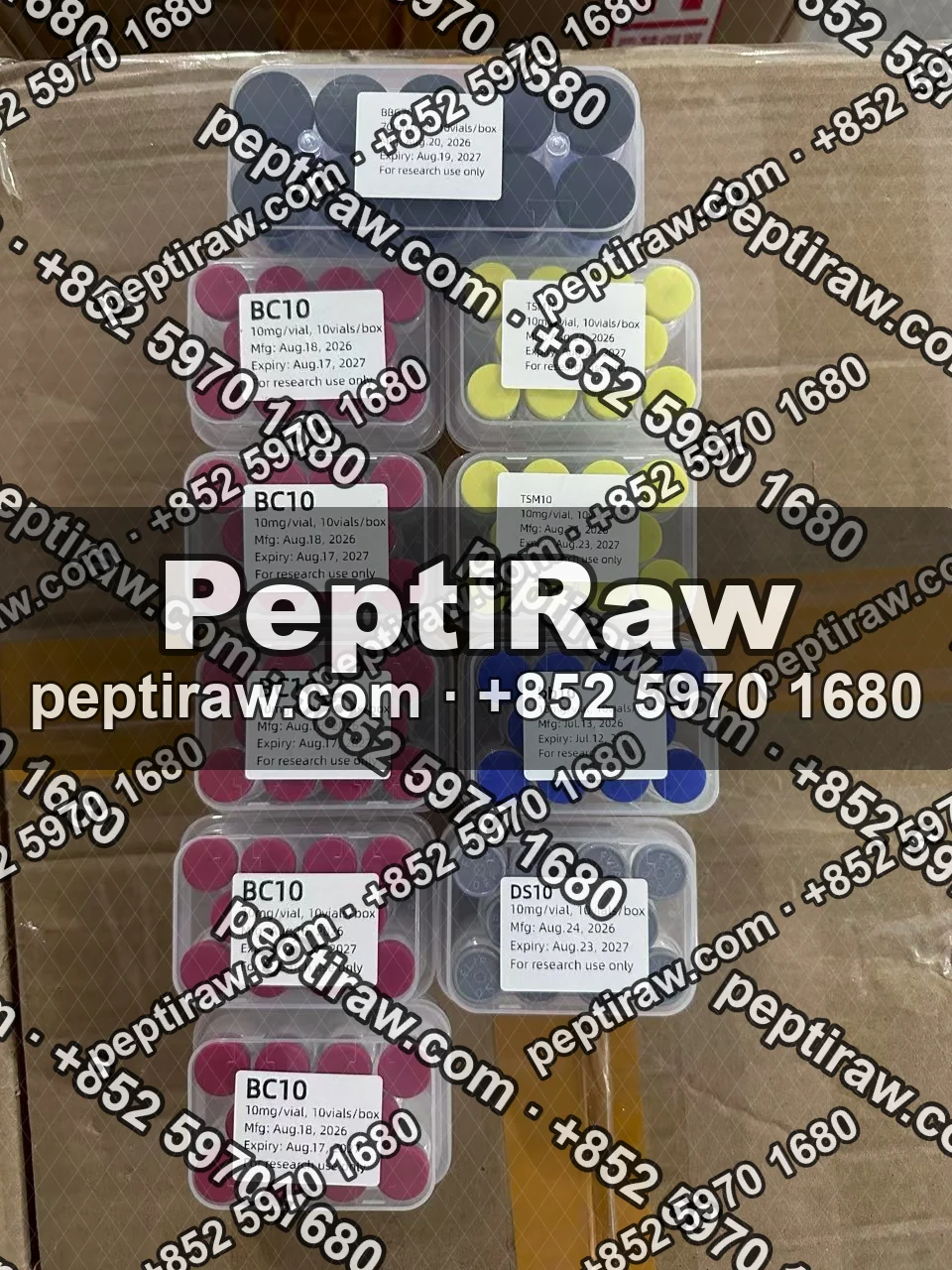
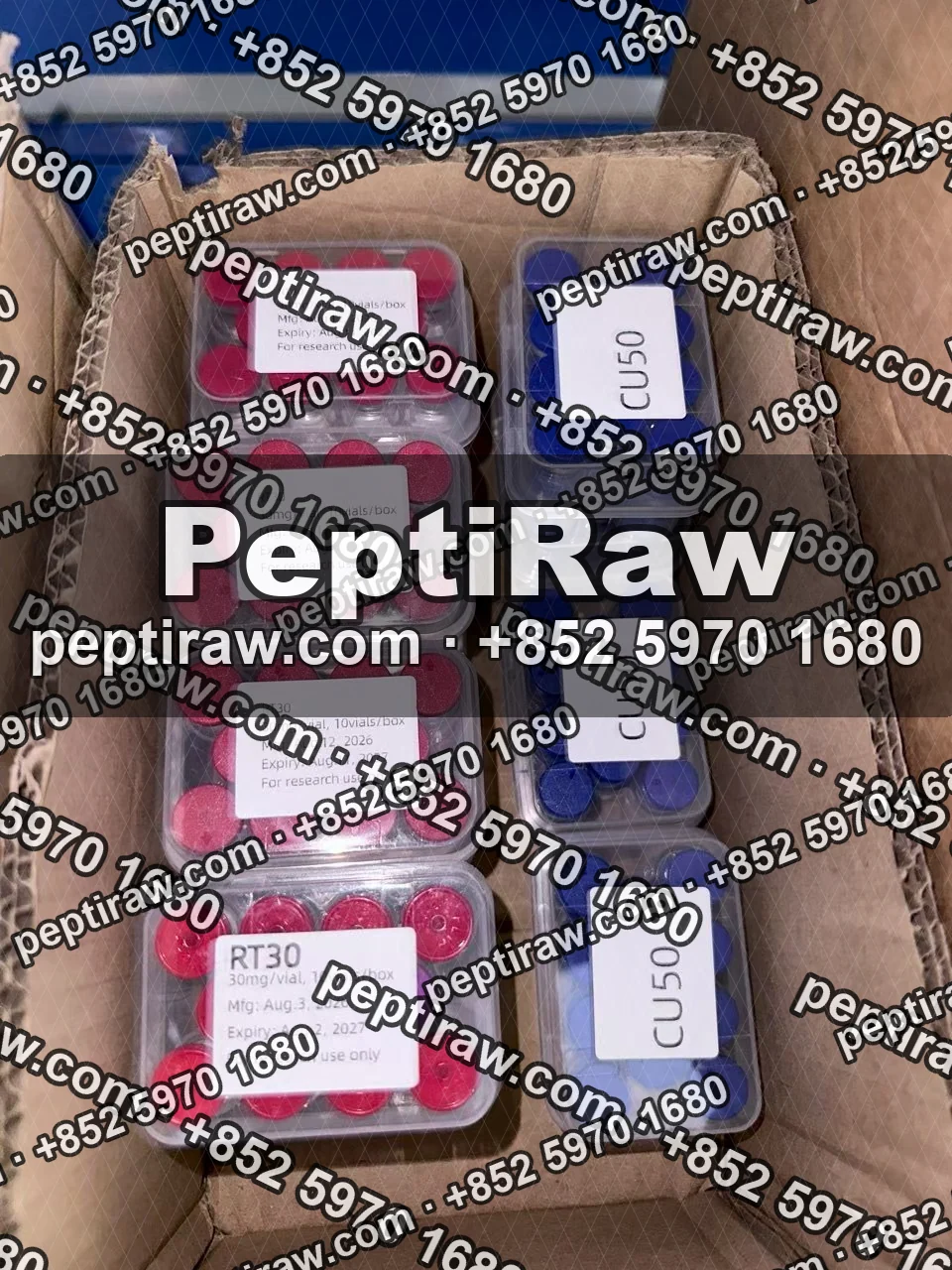
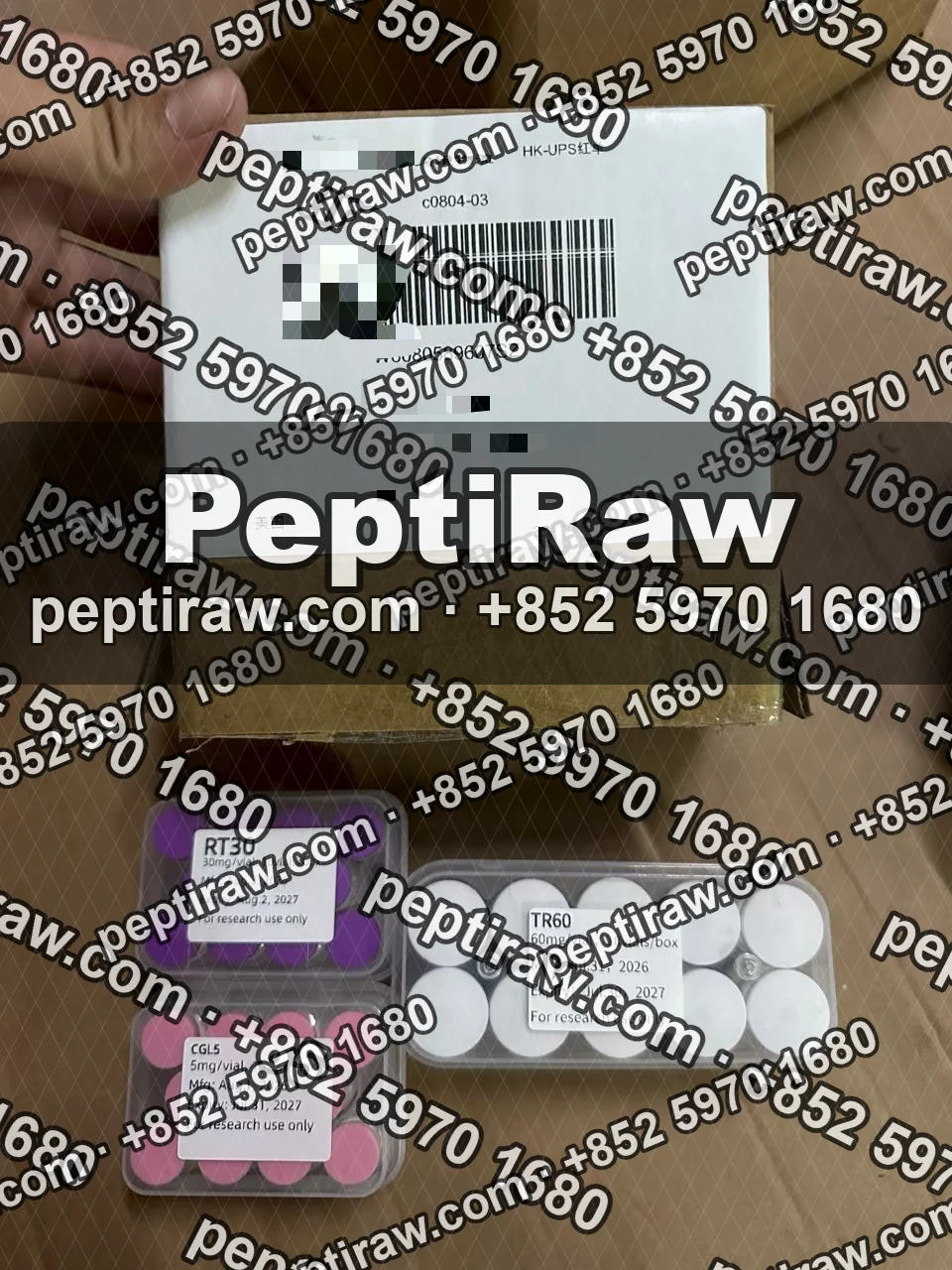
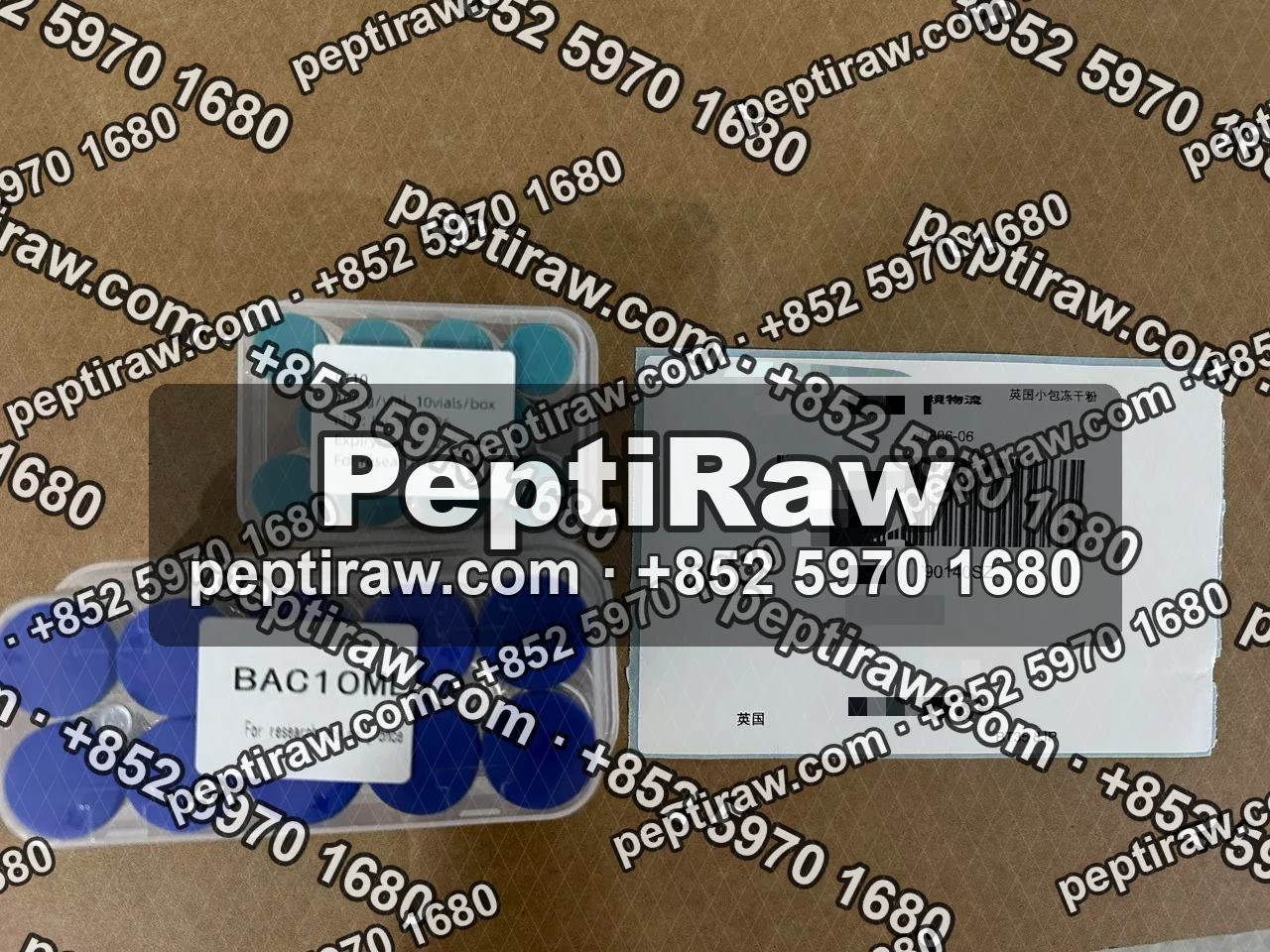
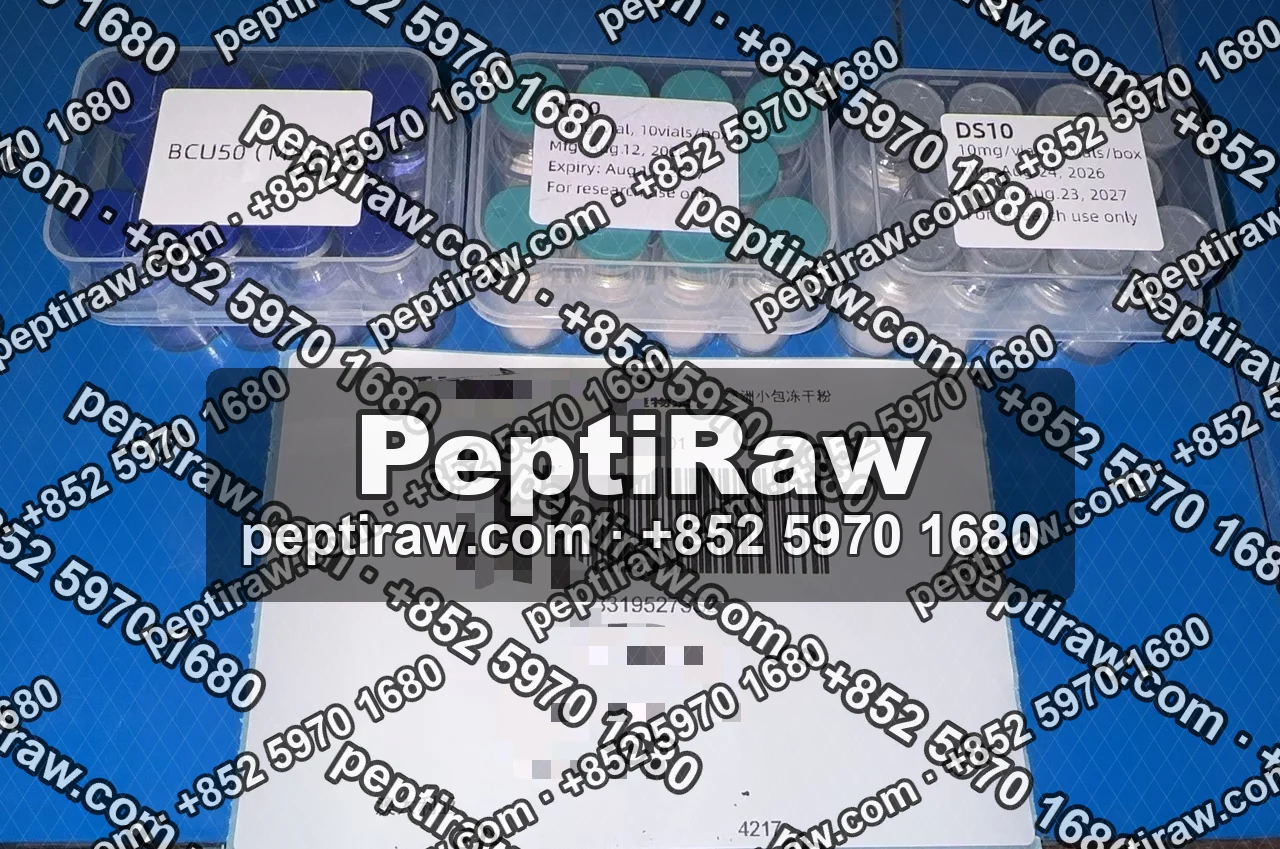
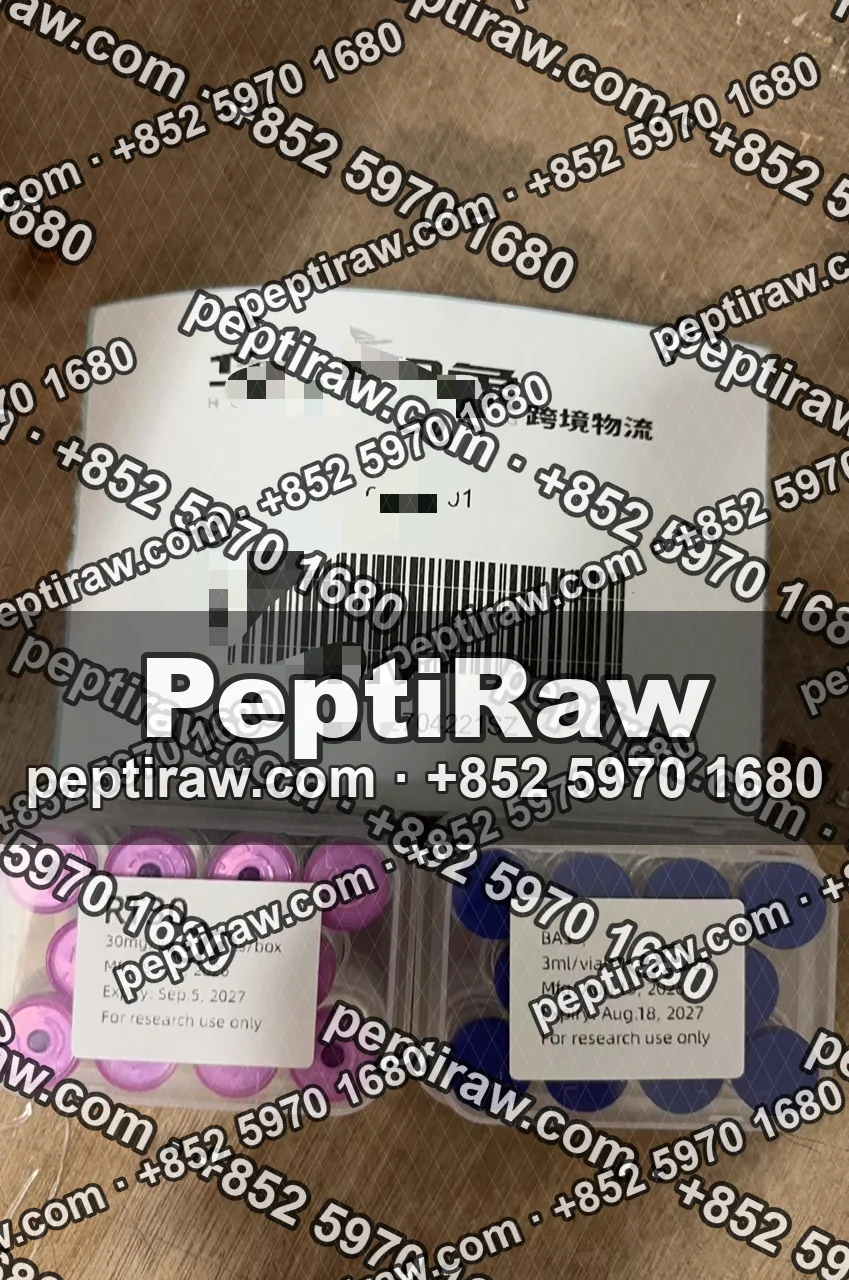
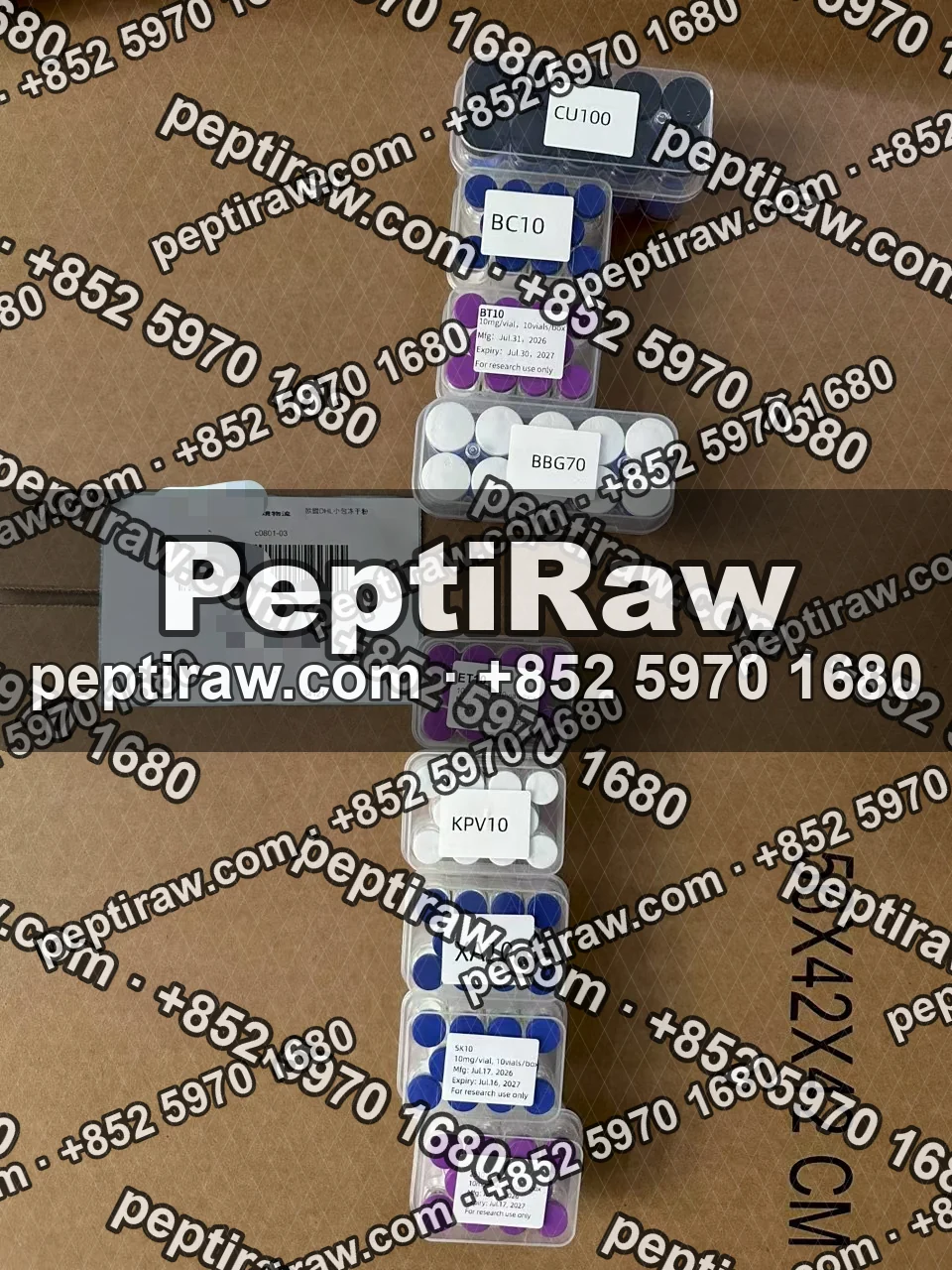
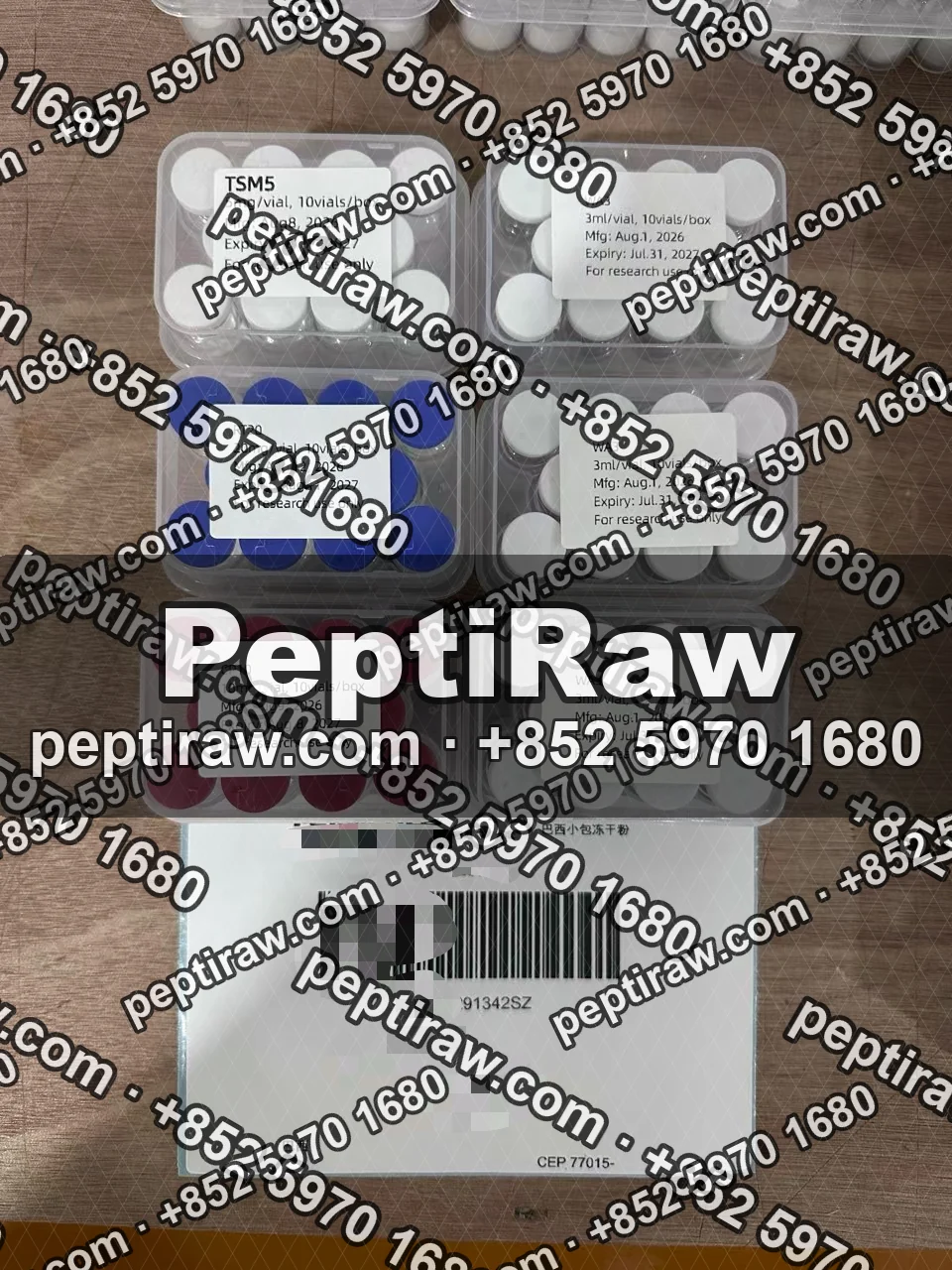
The photographs are of vial shipments from Pepti’s packing desk, arranged by packing stage: lot label, order assembly, inner box, courier handover. Bulk-powder packs and the cold-chain step are described in words on this page; they are not in the current photo set.
Vial shipment: each ten-vial kit carries its lot label with name, lot number, quantity and the storage line, applied before anything goes into a box so the pack can be matched to the COA at goods-in.
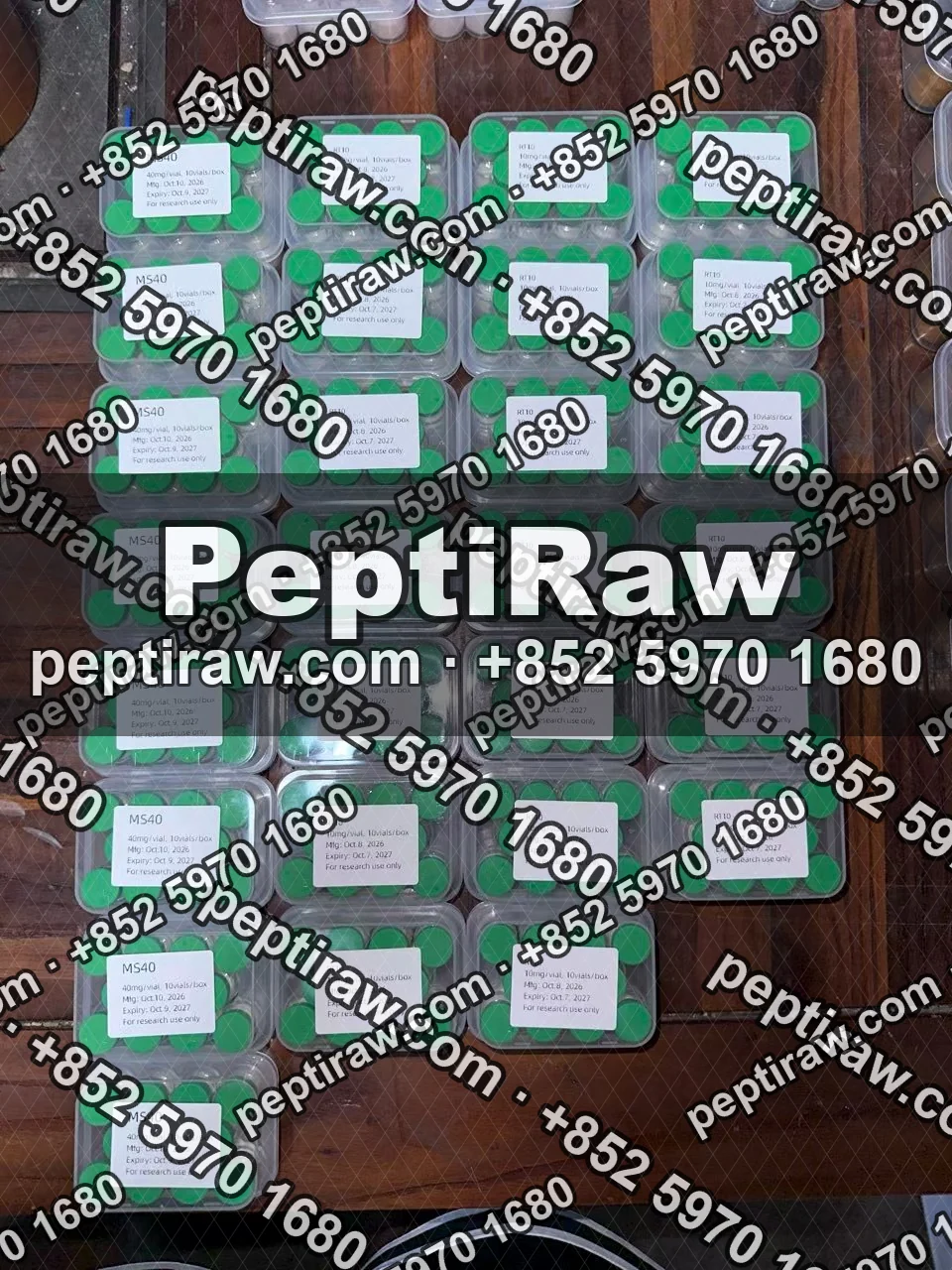
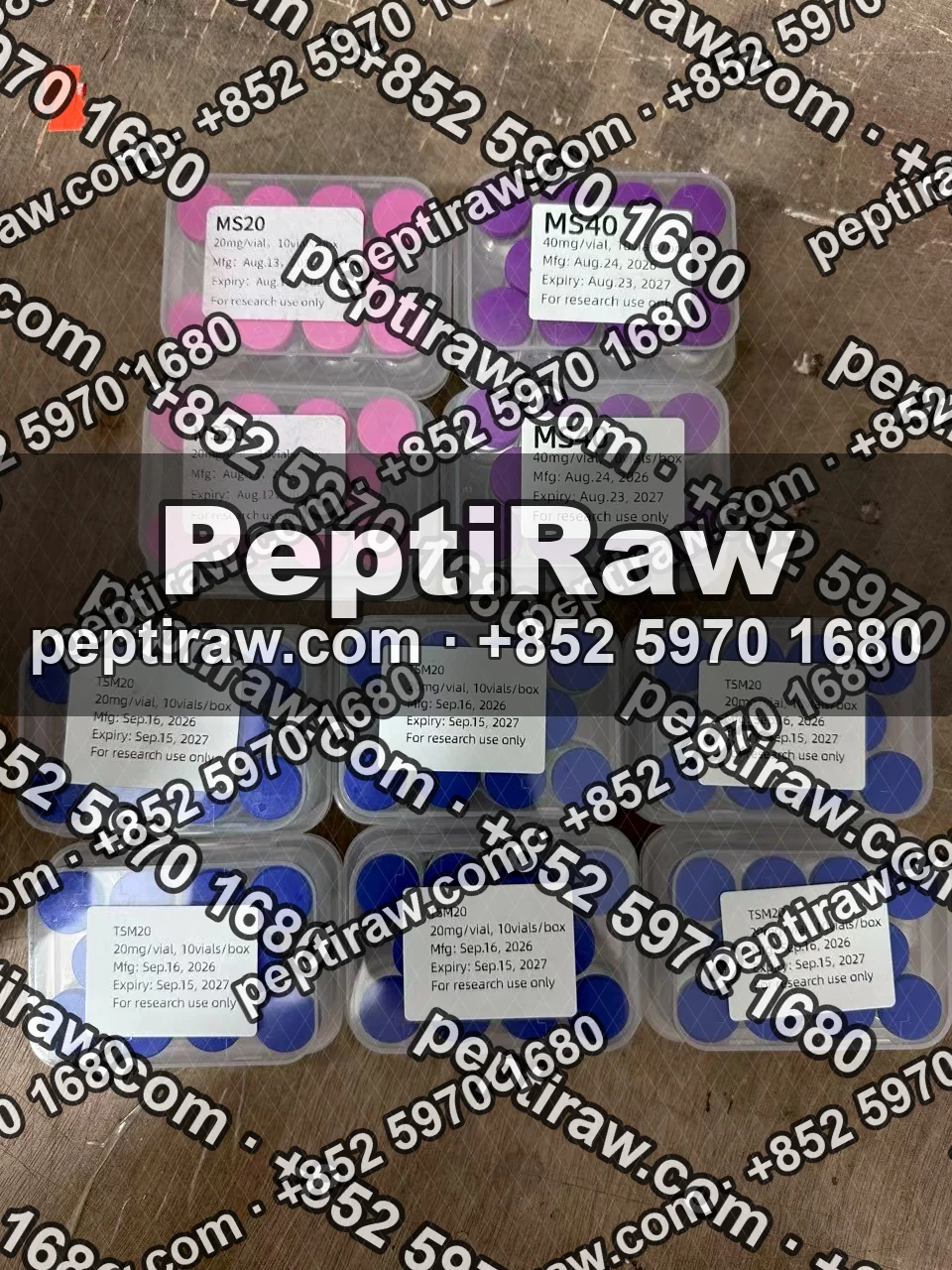
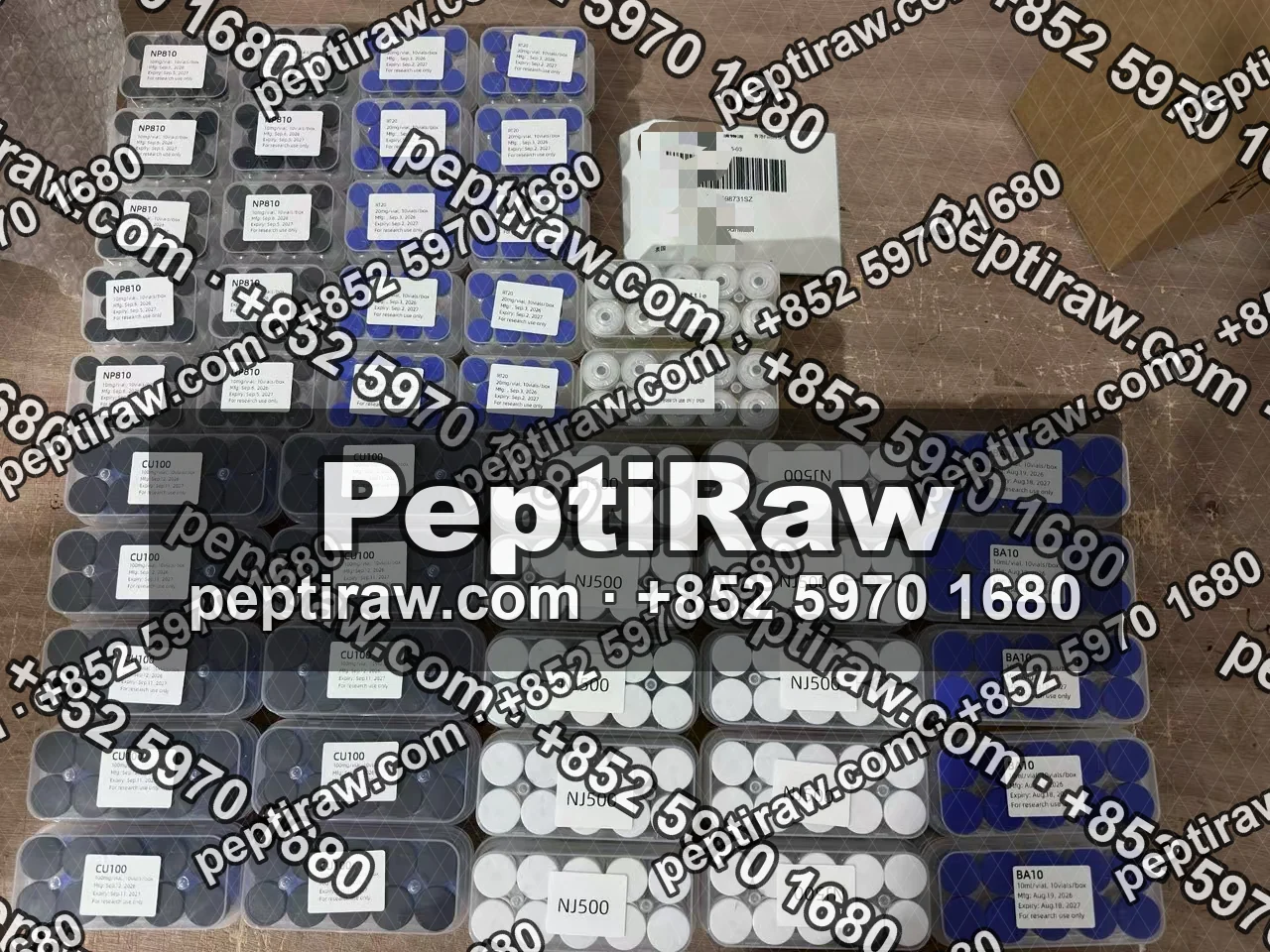
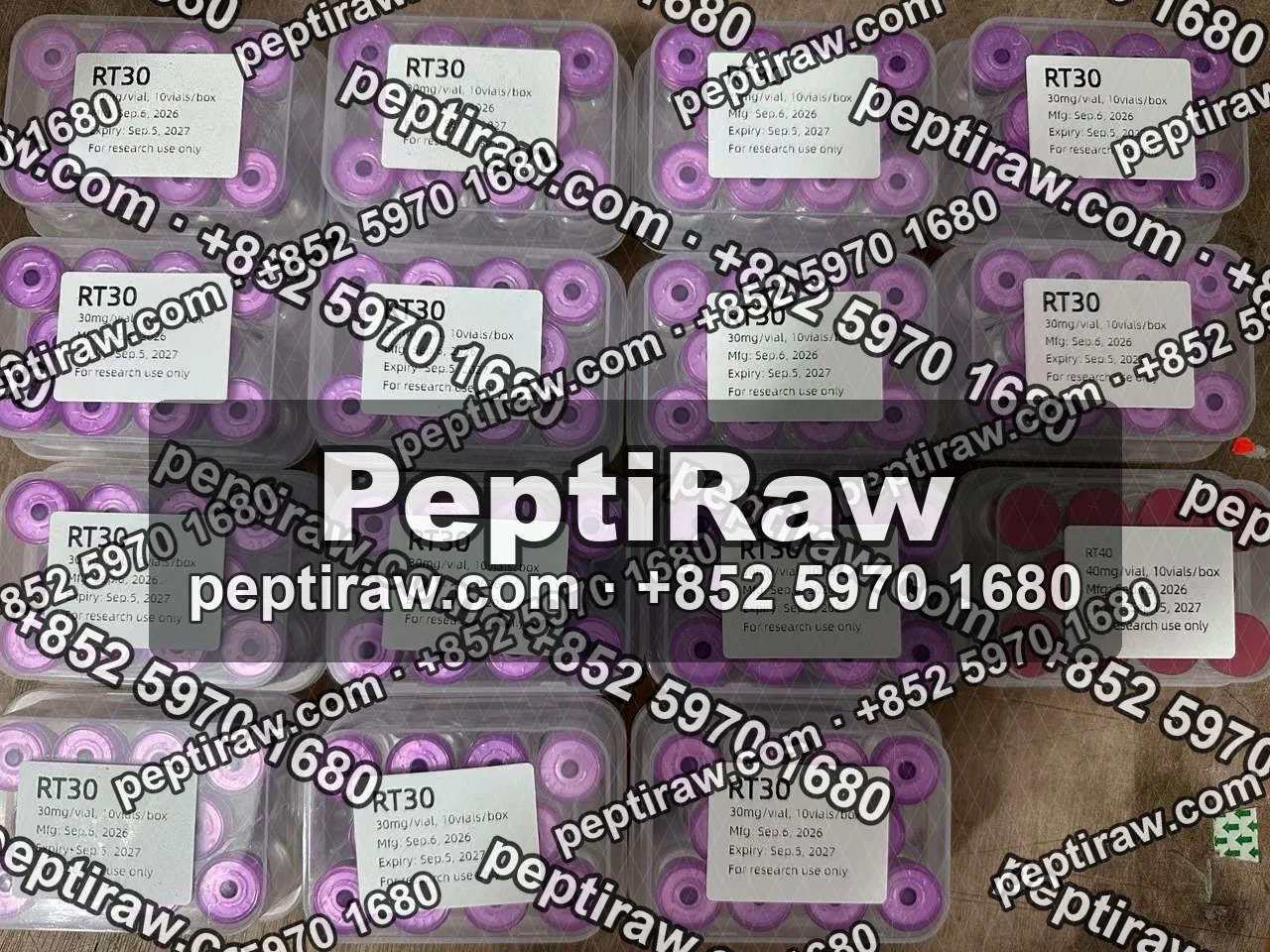
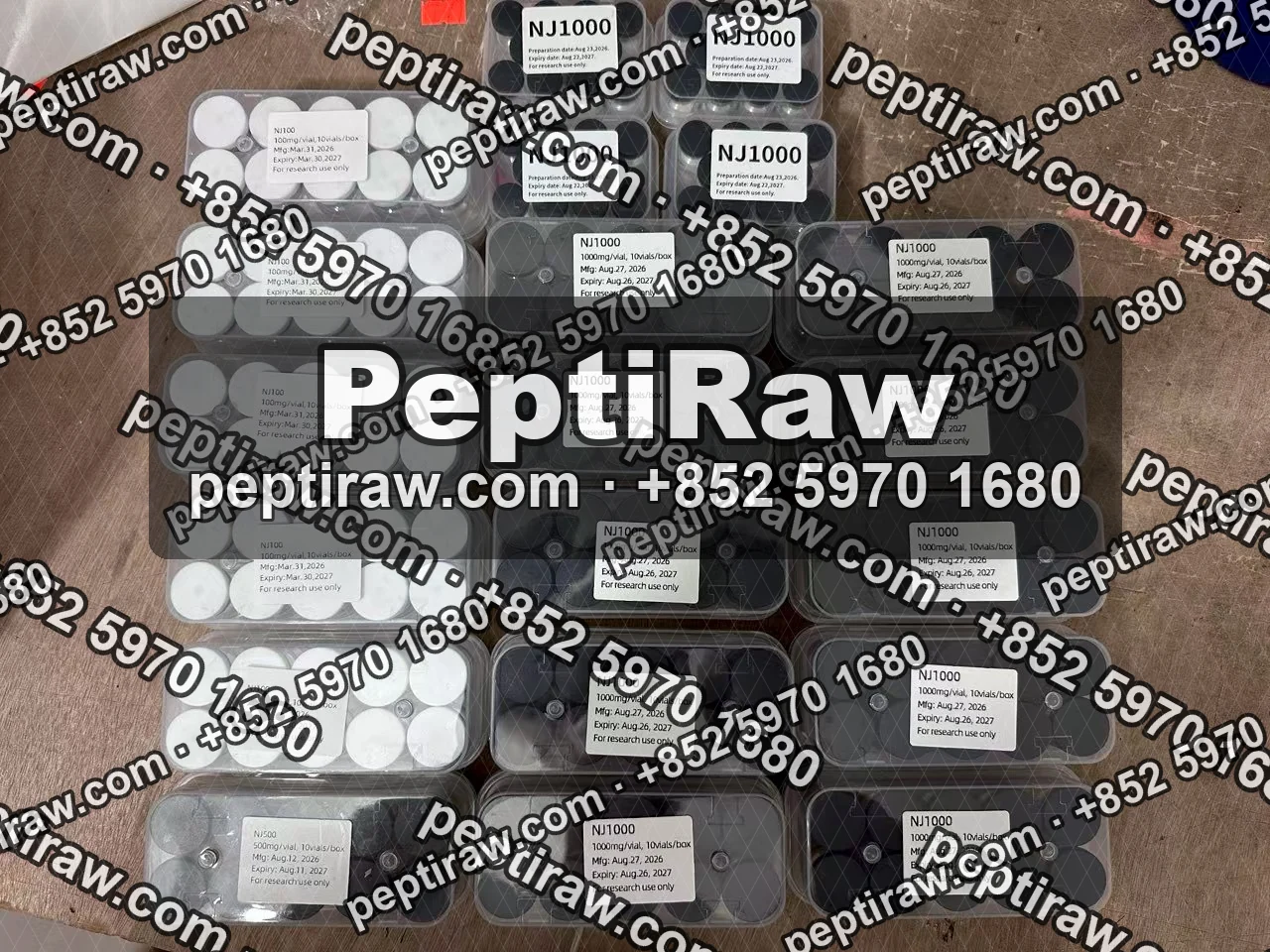
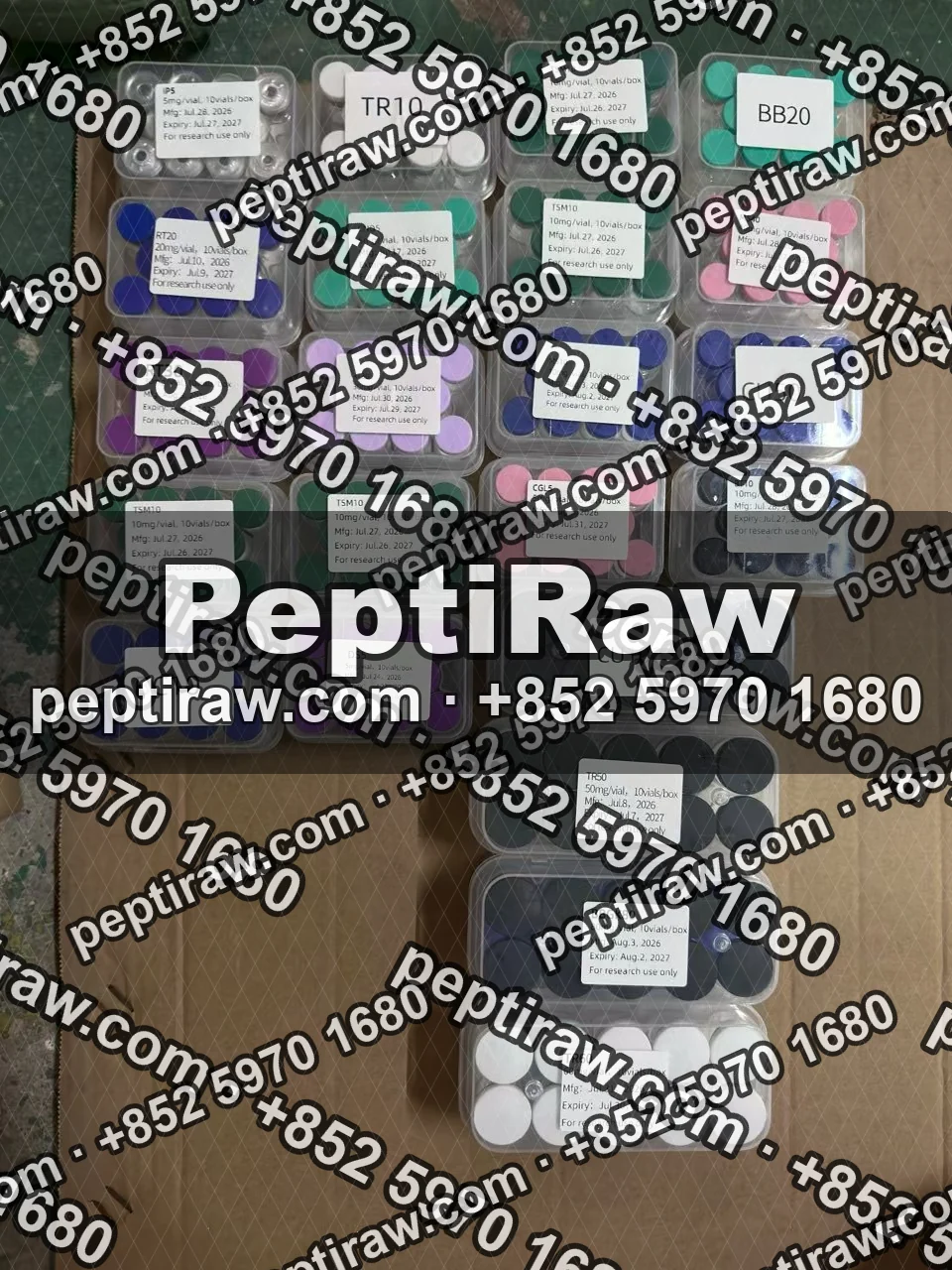
The items of one order are assembled together and counted against the order sheet before the inner box is closed. Mixed orders are laid out so that every lot label is visible for the final check.
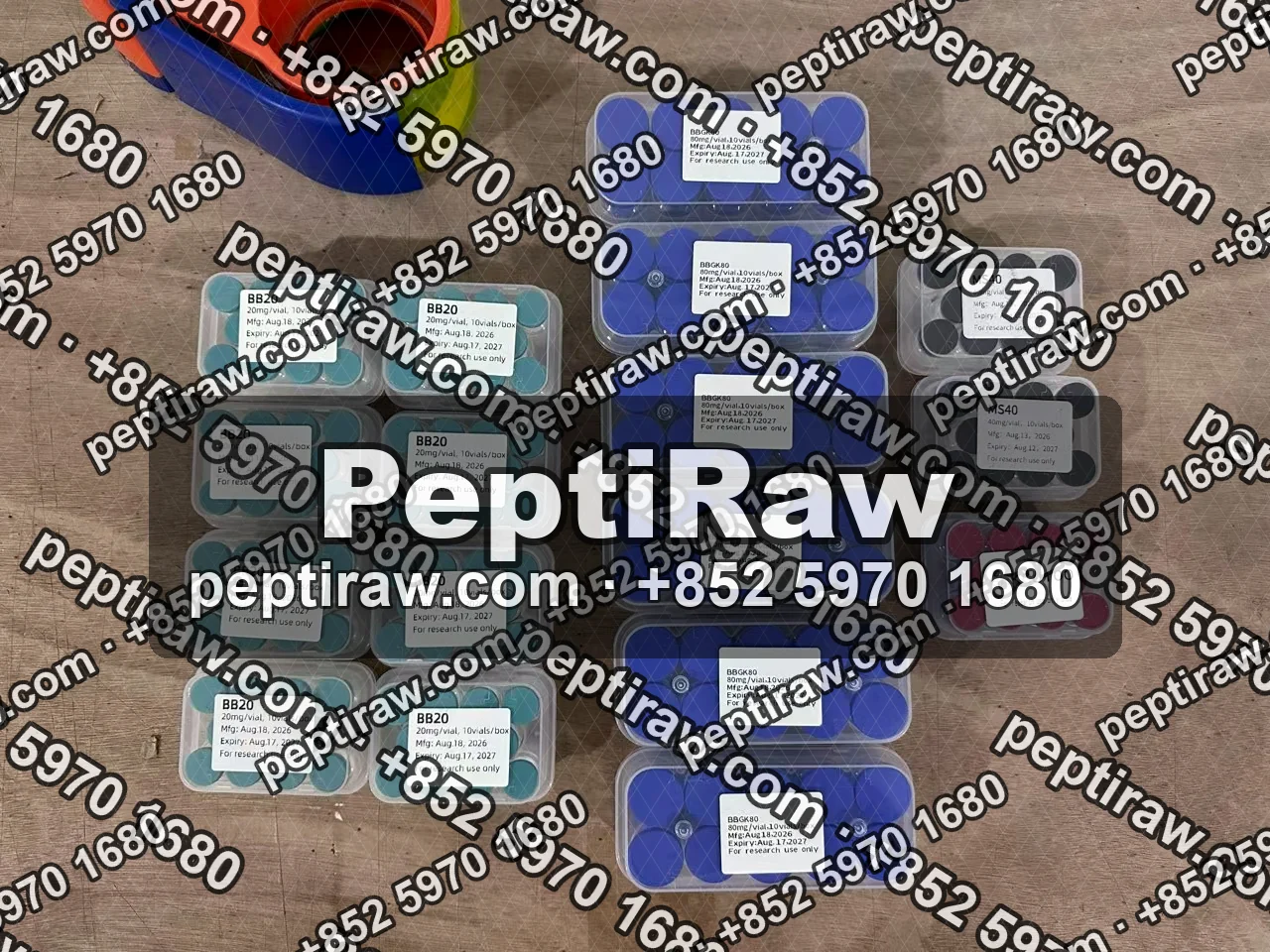
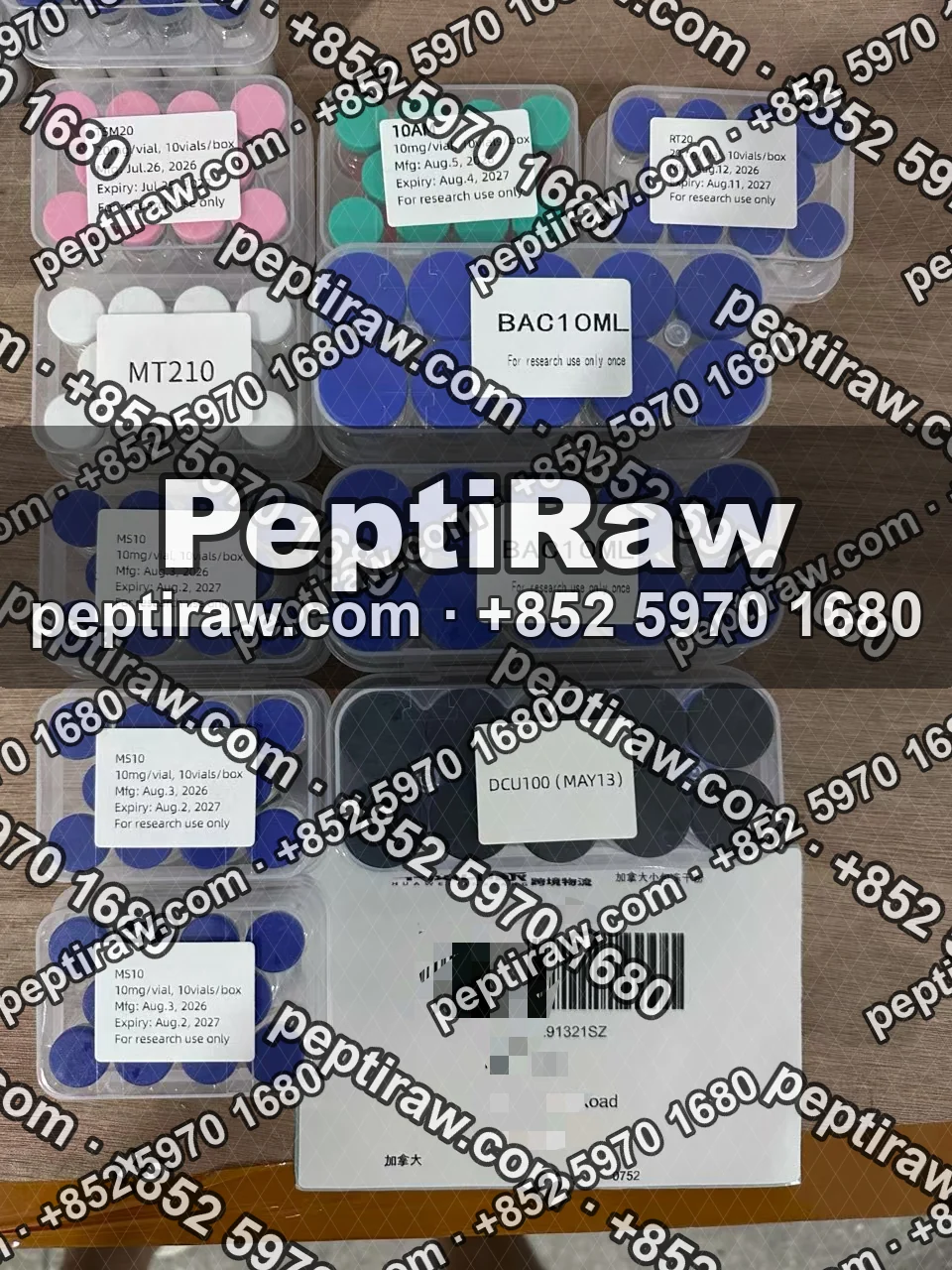
Vial shipment: the assembled order is seated in the inner box so that nothing can move in transit. The cold-chain step (gel packs and insulated liner) is not in this photo set and is described in words below.
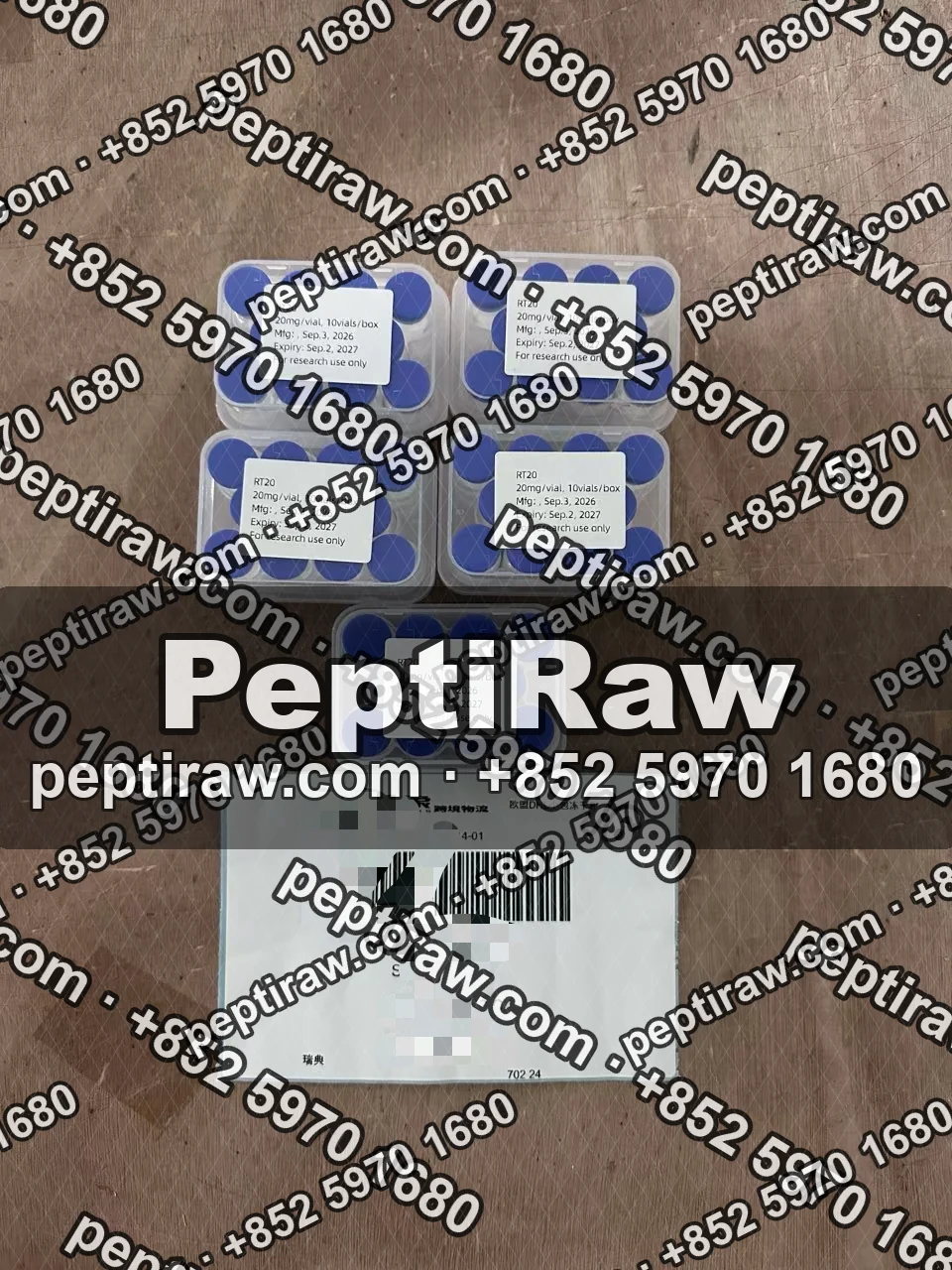
The courier waybill is printed and matched to the order before handover. Nothing on the outside of the carton names the product; tracking is shared on dispatch.
Reading the stages (vial shipments)
Lot label and primary pack. Every ten-vial kit in the photographs carries a lot label with the name, lot number, quantity and storage line. The label goes on before anything is boxed, so the pack can be matched to the COA at goods-in.
Order assembly. The items of one order are laid out together and counted against the order sheet with every lot label visible. This is the stage at which the lot numbers on the labels are matched to the COA that goes into the box.
Inner box. The assembled order is seated in the inner box so that nothing can move in transit.
Courier label and handover. The waybill is printed, matched to the order and the pack is handed to the courier. Nothing on the outside names the product. Tracking is shared on dispatch.
Bulk powder and cold-chain, in words
The photo set shows vial shipments only. A bulk-powder order is different at the first stage: the primary pack is a sealed powder container, weighed on a balance and labelled in grams with the same label fields (name, lot number, net quantity, storage line). The cold-chain step is also not photographed: the inner box goes into an insulated pack with gel packs and a foam spacer before the plain outer carton is closed. Both are stated here as the manufacturer's packing practice; photographs of these two steps are added when a bulk-powder order is packed with a camera at hand, and nothing from another Pepti site is used in their place.
What to check at goods-in
- The outer carton is intact and the courier label matches the tracking number you were sent.
- The gel packs are still cool or cold to the touch when the inner box is opened.
- The primary container is sealed and the label matches the COA on lot number, name, CAS and net weight.
- The container goes into the storage condition on the COA before it is opened, and is allowed to reach room temperature before opening.
About the photographs
The photographs on this page are of Pepti's own packing desk, taken during order preparation and watermarked for this site. They are vial shipments and are shown as such; no vial photograph stands in for bulk powder or for the cold-chain pack. Photographs of your own order can be sent with the dispatch notice on request.
Frequently asked questions
Is cold-chain packing included in every order?
Yes. Every order ships in an insulated inner box with gel packs and a foam spacer, inside a plain outer carton. That step is described in words on this page; the photo set shows vial shipments up to the inner box.
What is printed on the outside of the carton?
Only the courier label. The product name appears on the primary container label inside, not on the outer carton.
Can I get photos of my own order before dispatch?
Yes. Ask on the RFQ and photographs of the packed order are sent with the dispatch notice.
What if the gel packs arrive warm?
Note it at goods-in, keep the container sealed, move it to the storage condition on the COA and tell the desk with the lot number. The lot record is reviewed and the material is replaced where a problem is confirmed.