- Home
- Quality
Quality · lot COA · HPLC purity · MS identity · SDS
Quality and documents
Every lot of raw material from this site ships with a certificate of analysis that reports HPLC purity and mass-spectrometry identity, and a safety data sheet is issued on request. This page explains what those documents contain, where the public batch records are, how to verify a lot yourself, and what Pepti does not claim.
The lot certificate of analysis
A certificate of analysis is a lot-specific test report. It is not a regulatory approval, not a product claim, and not a statement about your finished formula. For each raw material lot the COA from Pepti reports the following lines.
- Identification. Product name, INCI name where one exists, CAS number, lot number, manufacture date and retest date.
- Appearance. Colour and physical form of the powder as inspected on release.
- Purity by reverse-phase HPLC. Reported as area percent of the main peak at the detection wavelength used. Area percent counts what the detector sees at that wavelength; it is not a weight percent, and it does not include water or counter-ions. The public records across the manufacturer's library currently report figures between 98.4% and 99.8%; the figure for your lot is on your COA.
- Identity by mass spectrometry. The expected molecular weight and the found result, so that the peptide in the jar can be matched to the structure on the label. For copper peptides this is the line that distinguishes the copper complex from the copper-free peptide.
- Storage and retest. The storage condition under which the retest date applies.
Water content, counter-ion and other lines are reported where the buyer's specification calls for them; say so on the RFQ. The manufacturer's name and site address are printed on the document.
Public batch records
Pepti publishes vial-format batch records in a public library on its manufacturer site. Each record carries a lot alias, the reported chromatographic purity, the molecular-weight result, the manufacture, test and retest dates, and a link to a presentation copy of the certificate. The ingredient pages on this site link the records that exist for each compound; at the time of the last review there were public records for Copper Tripeptide-1, Acetyl Octapeptide-3, Epitalon and NAD+. For the other compounds no public record is listed yet, and the lot COA is issued with the shipment.
A public record is a reference point, not the document for your order. The bulk-powder lot that ships to you carries its own COA with its own lot number, and that is the one to file. If you want to compare, the record's purity, molecular-weight result and test method should be consistent with the COA you receive; the lot numbers will differ because they are different lots.
Safety data sheet
An SDS in the GHS sixteen-section format is available for every raw material on this site and is sent with the shipment on request. The sections a cosmetic formulator uses most are hazard identification, composition, handling and storage, exposure controls, physical and chemical properties, stability and reactivity, and transport information. The SDS names the manufacturer and the site address. An SDS is a safety document for handling the raw material; it is not a cosmetic safety assessment of a finished product, which the brand commissions separately.
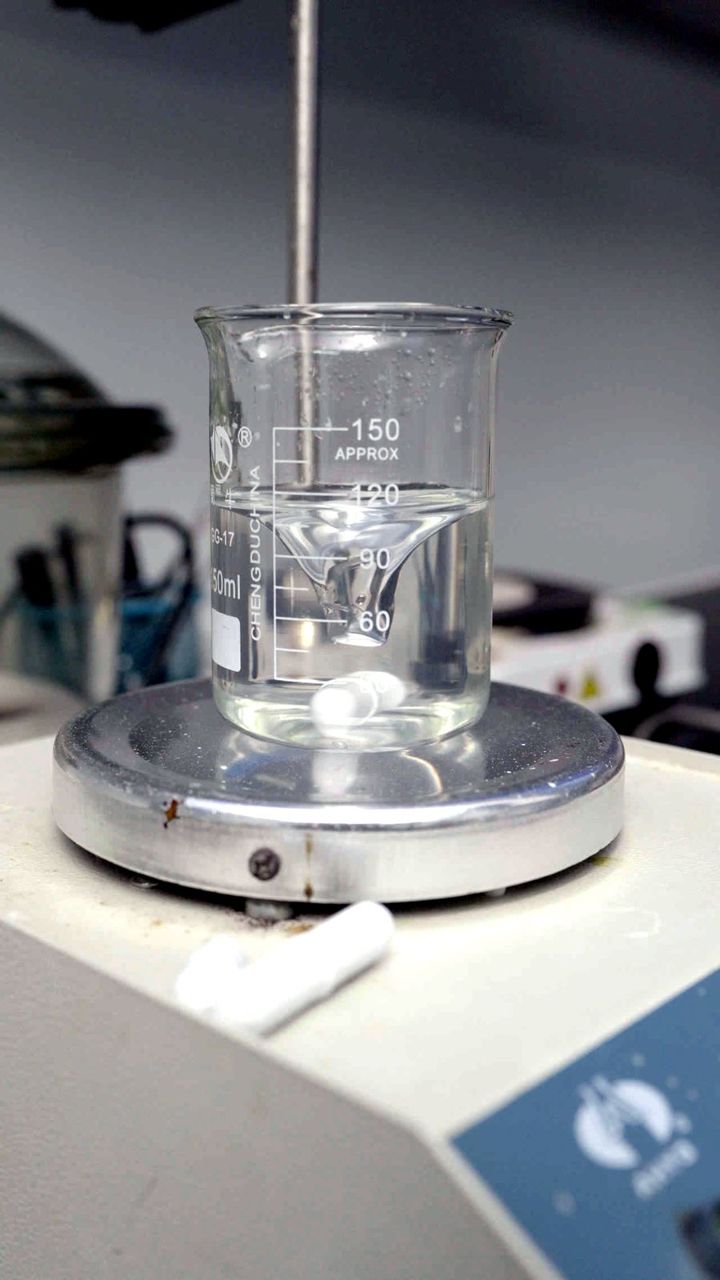
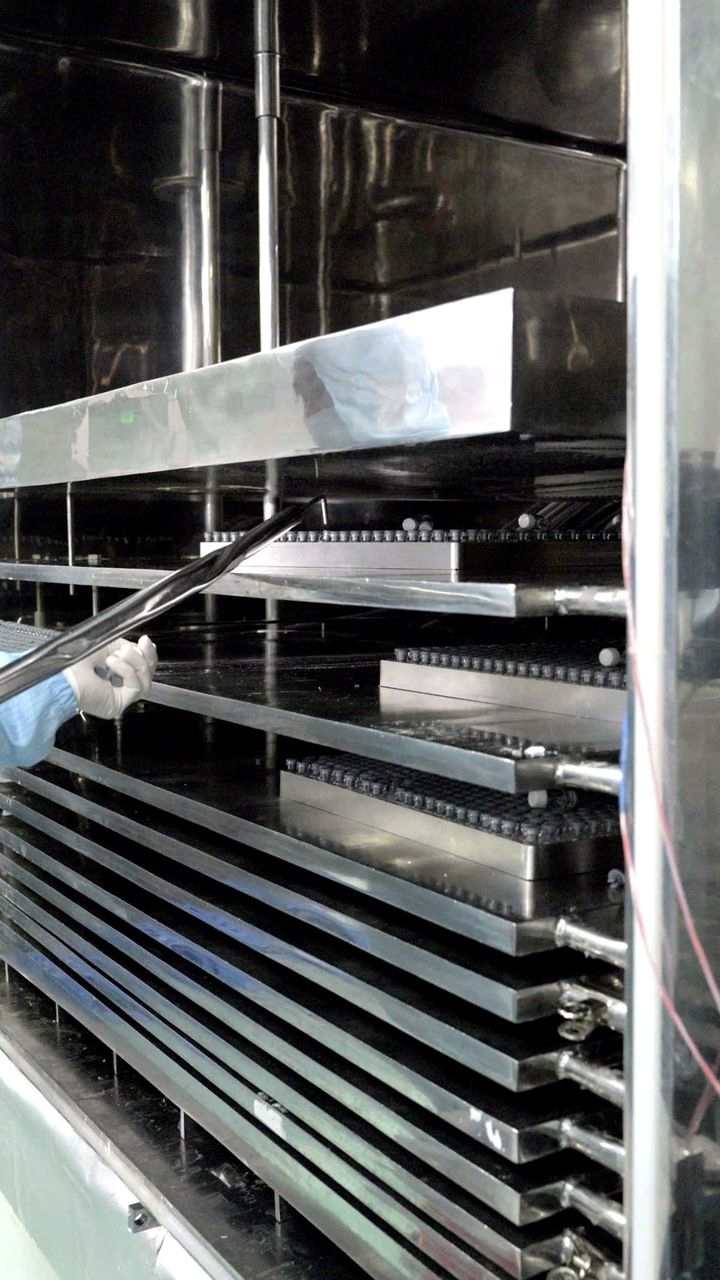
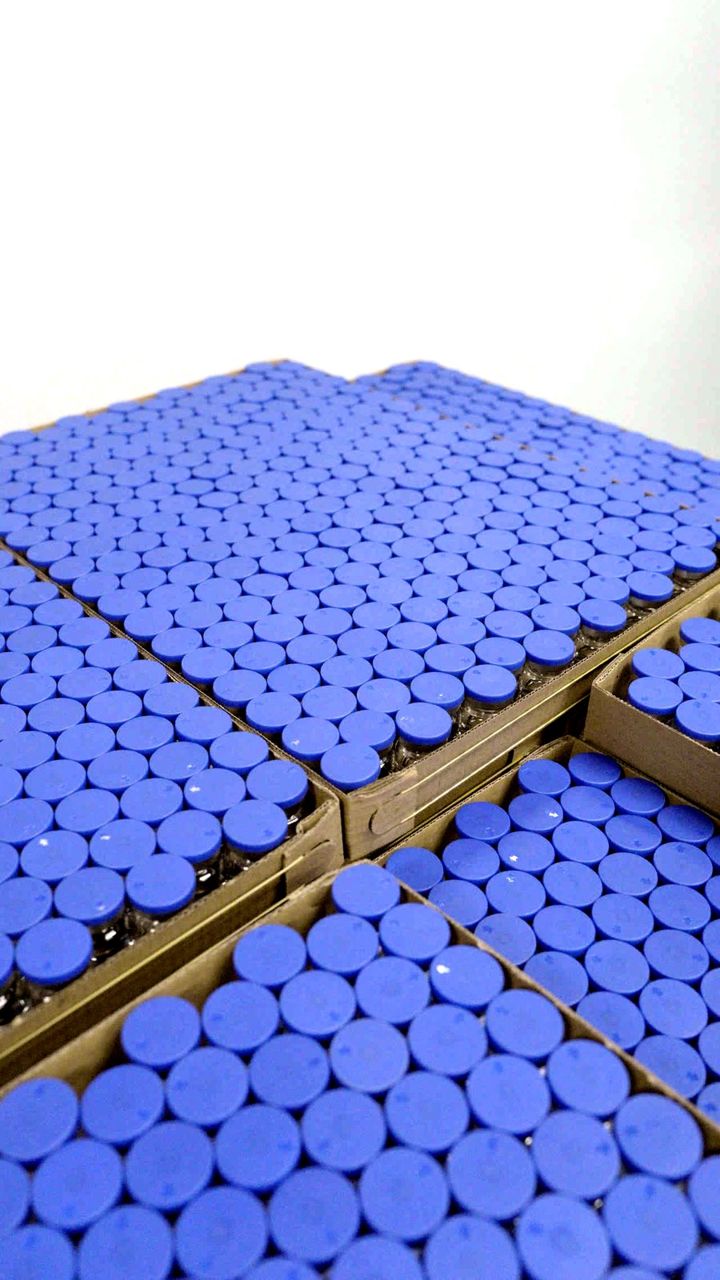
How purity and identity are measured
Reverse-phase HPLC separates the peptide from its impurities on a hydrophobic column and reports how much of the UV signal belongs to the main peak. It is good at seeing closely related peptide impurities such as deletion sequences, oxidised variants and diastereomers, provided they separate from the main peak under the method's conditions. It does not see water, inorganic salts or counter-ions, which is why a purity of area percent and a peptide content by weight are different numbers.
Mass spectrometry confirms that the main peak has the molecular weight expected for the structure. It answers "is this the right molecule" rather than "how clean is it". The two methods together are the standard identity-and-purity pair for a peptide raw material; neither one alone is sufficient, and the lot COA reports both.
Verifying a lot yourself
- Compare the CAS number, INCI name and lot number on the container label with the COA. They must match exactly.
- Check the molecular-weight result on the COA against the expected value on the ingredient page or on PubChem. For copper peptides, confirm that the found mass is the complex and not the free peptide.
- Inspect appearance against the COA line. A copper peptide should be blue; a thiol peptide should be white and free of a strong sulfur odour; cyanocobalamin should be deep red.
- Run a solubility check in water at bench scale and note the colour and clarity of the solution.
- If your quality system requires it, split the sample and send part to an independent laboratory for HPLC purity and MS identity. Pepti welcomes independent verification; the methods are standard and any competent analytical laboratory can run them.
- File the COA, the SDS and your own observations in the raw-material qualification record for the lot.
The guide on how formulators verify a peptide raw material expands each of these steps into a procedure.
Handling, storage and cold-chain
Peptide powders are hygroscopic and several of the materials on this site are sensitive to heat, light or oxidation. Pepti ships every order cold-chain, in an insulated inner box with gel packs and a foam spacer, inside a plain outer carton. On arrival the container should go into the storage condition printed on the COA, normally refrigerated for working stock and frozen for long-term storage, and should be allowed to reach room temperature before it is opened so that condensation does not form on the powder. The order-photos page shows the packing stages, and the guide on water solubility and stability covers what happens to each compound when those conditions are not met.
What is not claimed
This site does not present Pepti as a drug-substance manufacturer and does not publish a GMP certificate or a drug master file; the exact boundary sentence appears at the foot of every page. Purity figures are reported per lot and are not promised in advance. Lead times are typical windows, not fixed delivery dates. No statement on this site describes what a finished cosmetic containing these raw materials will do; those claims are made and substantiated by the brand in its own market. Regulatory status of the finished product, including ingredient-inventory listing, safety assessment and any registration, is the buyer's responsibility, and Pepti supplies identity and purity documentation to support that work rather than a market authorisation.
If a lot does not match its documents
If the material you receive does not match the COA on identity, appearance or purity, keep the container sealed, photograph the label and the pack, and send the lot number with your own test result. Pepti reviews the lot record and, where the discrepancy is confirmed, replaces the material. The review is a factual comparison of test results, so an independent laboratory report speeds it up.
Scope of supply. Supplied as a cosmetic raw material and for laboratory formulation work. Not for human or veterinary use as supplied. Regulatory status of the finished product is the buyer's responsibility in each market; Peptiraw provides identity and purity documentation, not a market authorisation.
Pepti does not present itself as a cGMP drug-substance (API) manufacturer or CDMO and does not publish a GMP certificate or DMF. Batch records are published by the manufacturer at peptioem.com/coa.
Frequently asked questions
Does every lot come with a COA?
Yes. The lot certificate of analysis with HPLC purity and MS identity ships with every order, and it can be sent with the quotation before payment.
Is the purity on the COA promised in advance?
No. It is the measured result for that lot by the stated method. It is reported, not promised in advance. The public records currently fall between 98.4% and 99.8%.
Does Pepti claim a GMP certificate?
No. Pepti does not present itself as a cGMP drug-substance (API) manufacturer or CDMO and does not publish a GMP certificate or DMF. The raw materials are supplied for cosmetic formulation and laboratory work.
Can I send a sample to my own laboratory?
Yes, and it is encouraged. HPLC purity and MS identity are standard methods; any competent analytical laboratory can run them and the result can be compared with the lot COA.